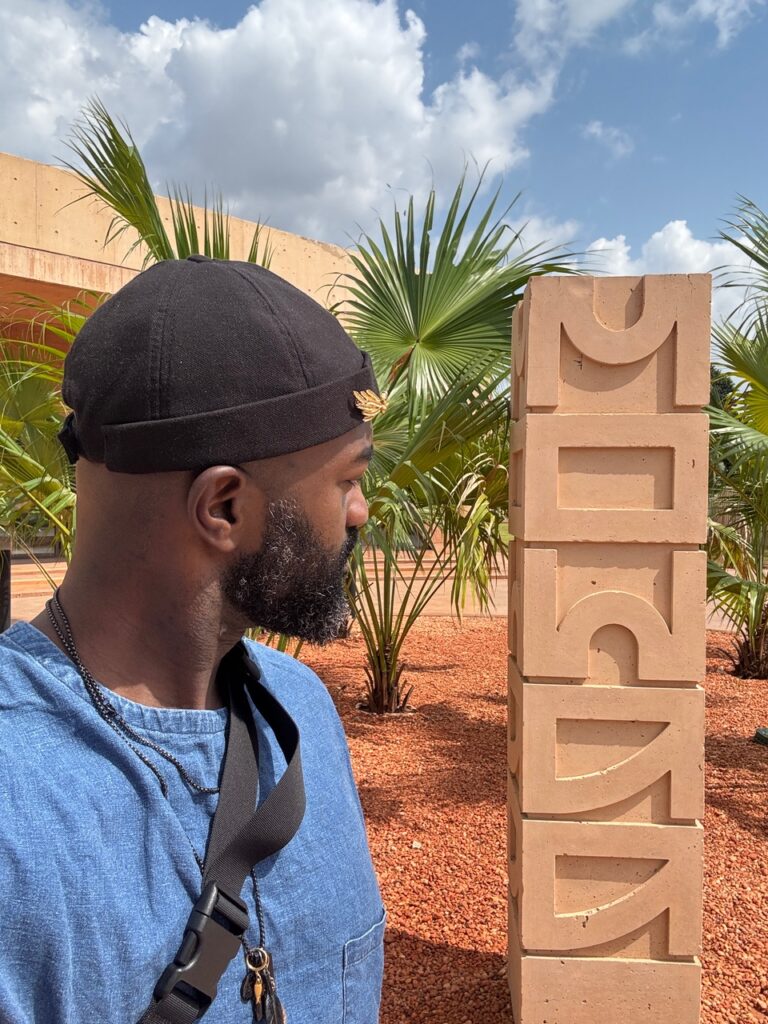
In November last year, I flew from London, England, to Benin, Nigeria, for my second arts residency at the Museum of West African Art in Edo State.
I was looking forward to working with The Onoma Circle, a collective of poets and artists I’d set up during my first residency. I was looking forward to meeting Phil, a skilled bronze caster, whose family had served the kings of Benin for over 6 generations. I was looking forward to hosting two events I curate: Redacted (a black-out poetry event) and The R.A.P Party (a poetry and music event). I was looking forward to eating my weight in Nigerian food, and soaking my skin in Vitamin D. I was looking forward to to an extremely busy week discussing literary and visual arts, and above all, so seeing ‘Nigeria Imaginary: Homecoming’ – the Museum’s first exhibition.
In 1897, Britain invaded, destroyed most of Benin City and looted most of its stores and altars. Outside Nigeria, the city is synonymous with this tale of plunder and colonial violence. But for me, it city holds a simple filial softness. It is where my father grew up, where my people are from, one of few corners of the world I can partially call home. I was looking forward to playing in my father’s city, on my motherland.
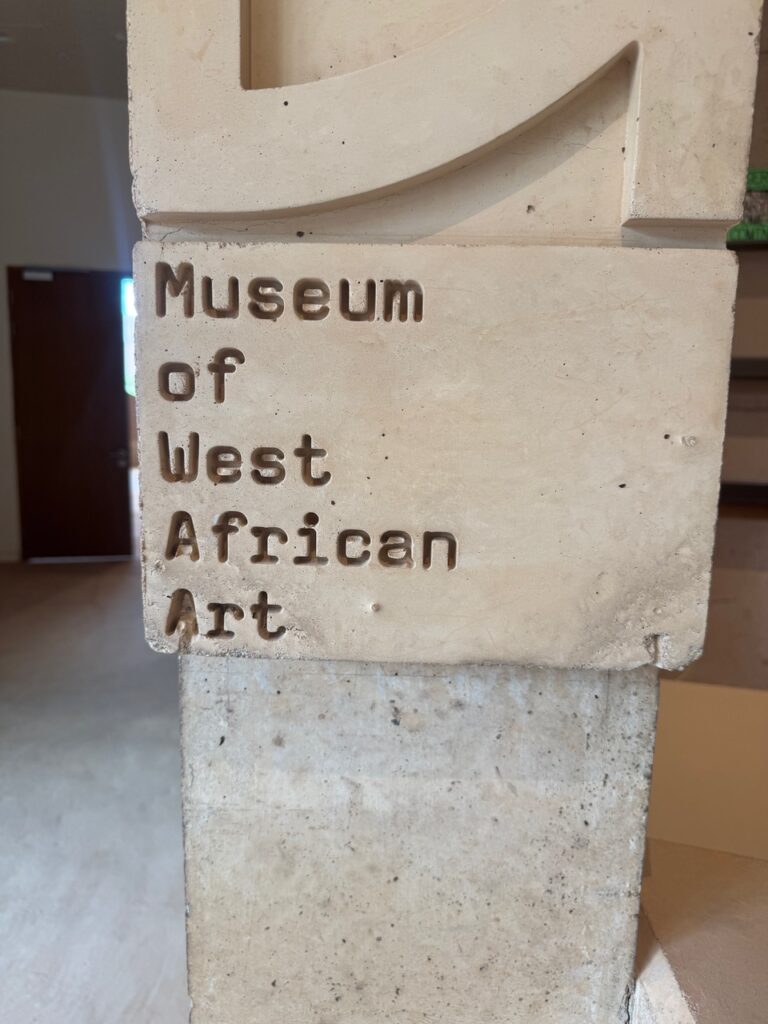
From the tiny airport in Benin, I was planning to go directly to the Museum Of West African Art (MOWAA) when I received a text. From a friend at the museum, the text simply told me not to come. That it wasn’t safe. Roughly 40 protesters had stormed the museum chanting their allegiance to the traditional ruler of Edo State, the Oba of Benin. The protesters had robbed and beaten up merchandise sellers, thrown tables and chairs across the premises, insulted guests, donors, artists and ambassadors who had flown in from across the world. Standing at the airport, I felt a number of things: shock, surprise, horror and deep embarrassment. But in the weeks after, as the dust settled, I learnt that all this had been a long time coming.
The tens of thousands of items looted from Benin in 1897 were scattered across numerous museums and private collections in Europe and the Americas. Some stayed stationary, behind closed doors, encased in glass. Some were installed proudly outside buildings as if talismans of British conquests. Some were shipped from exhibition to exhibition as colonial-era curiosities. Some were even shown in museums on African soil, but never in Nigeria, and never in Benin. Some exchanged hands for hefty sums at auctions, and all the while, the Oba and the people of Benin watched, insulted, as their cries for justice and restitution were ignored, and their treasures toured the world.
Eventually, the Republic of Nigeria threw its weight behind the Oba, and united, began calling for all that was stolen to be returned. As their voices grew louder and began to gain traction outside of the country, within the country, there were disputes over whom they should be returned to. The Nigerian government argued the items belonged to the republic, to the people of Nigeria as whole. But the Oba believed they belonged to his kingdom, his family, to him personally, and wanted the treasures placed within his palace grounds. This clash between modernity and tradition, between the republic and the kingdom, halted attempts at restitution, a stalemate that meant western institutions could keep the loot for longer. The dispute brewed and boiled for so long, that even after the Nigerian Government stepped back and announced the Oba as the true custodian of all that was stolen in 1897, the atmosphere remained charged, as if a storm cloud, dark and ever ready to burst.
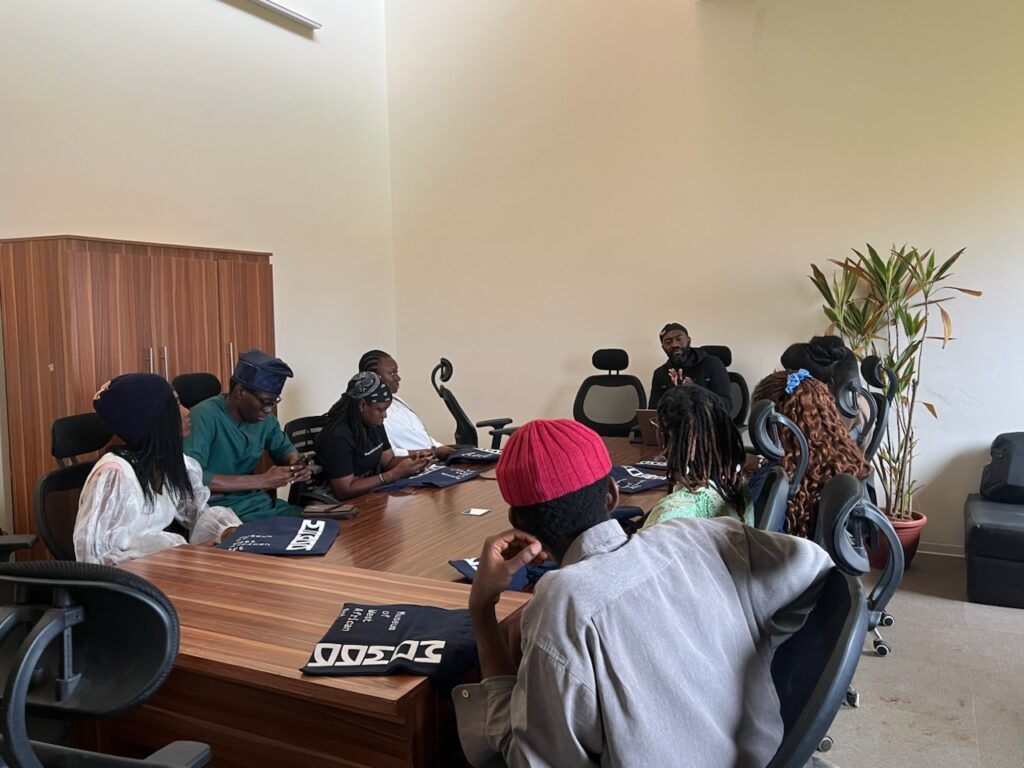
And this is what I waded into, pen in hand, foot in mouth, asking questions that poked at the clouds, searching for answers to spark poetry as the protesters attacked and shut down the exhibition.
John Keats once descried poets as the ‘midwives of reality’, the suggesting being that we pull ideas from what MIGHT BE into what IS. So, perhaps on some subconscious clairvoyant level, I tapped into what would unfold weeks later, because during my first residency, I didn’t ask the poetry collective to write about MOWAA. Instead I asked them to write, imagining their OWN museums..
But what is a poem if not a glass case? Isn’t a collection a small museum? What is a memory if not a looted item? Aren’t many books in scattered collections? Many stationary, behind closed doors? Or showcased proudly, as if talismans of conquests? Aren’t rare editions exchanged for hefty sums at auctions? I asked the collective what they would preserve in their museum, who they would invite to their opening, to imagine a visitor and to ask them questions. Below are some lines taking from their poems:
Elvis Ehimen Izamase:
In this museum’s heart, do you find the key
To understanding the essence of a legacy?
Eghonghon Grace Imuetinyan:
Don’t you think stories
Are gateways to histories?
Tracy Ohovwore:
Aren’t you a pawn of the white man?
Didn’t you trade the comfort of your tradition?
Benita Oseremi Obajuobalo:
Did you feel how culture sits on the tongue—
heavy, sweet, untranslatable?
Efetobore Michelle:
Did it sound melodious, or was it discordant?
Did it expose the conflict in my identity?
Joseph Omoh Ndukwu:
Do you then ask why I have built you this place
On the edge of a city that fell to foreign powers?
As I write this, MOWAA is closed, and will remain so for an indefinite period. Despite all that happened, my relationship with The Onoma Circle is blossoming. I secured a huge commission for them from the Ethnographic Museum of Zurich, Switzerland. They have items from Benin they will repatriate this year. And my collective are currently writing poems for each one.
My next collection, titled ‘Of All The Boys’ will feature many poems about my trip to Benin, and many of them try to encase what haunts me still: the stuff of storm clouds – a shifting mist of questions.
Inua Ellams
FRSL, FRSA.
About Inua Ellams
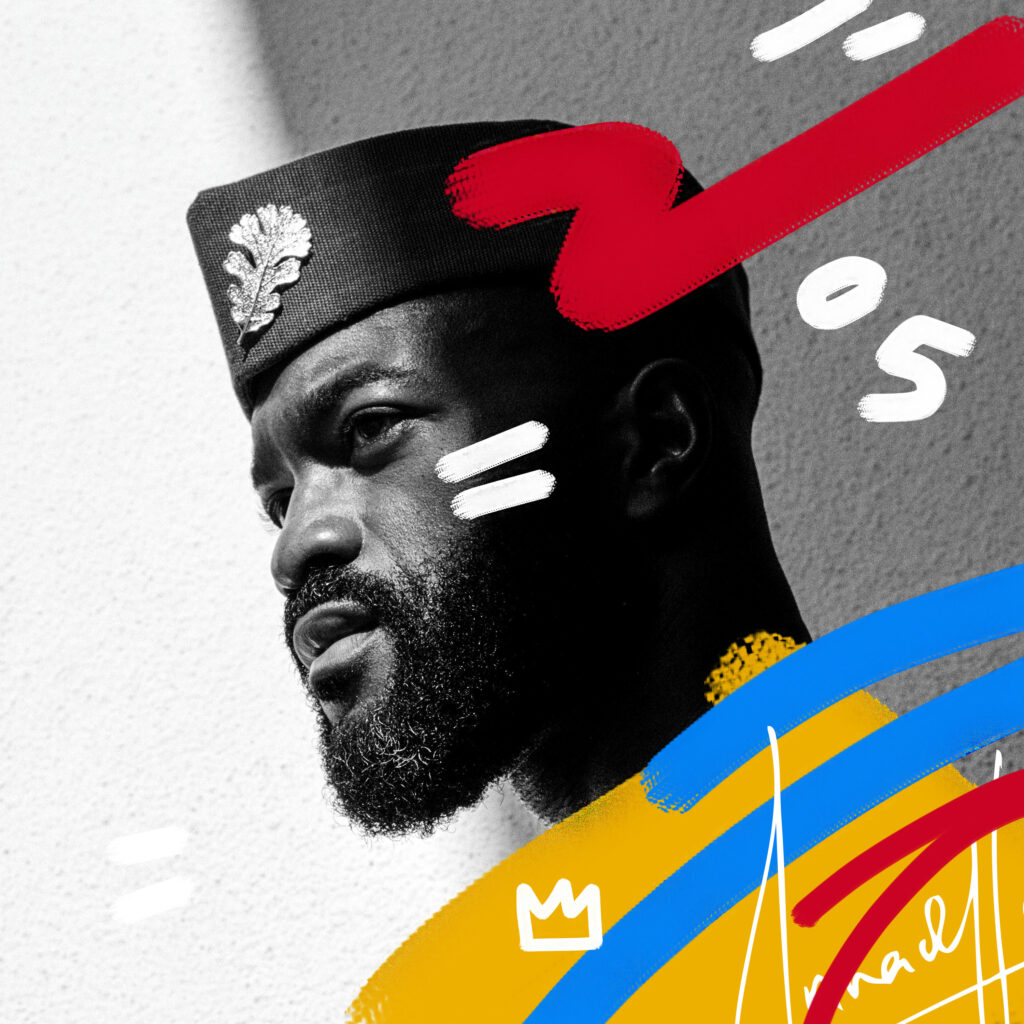
Born in Nigeria, Inua Ellams is a poet, playwright & performer, graphic artist & designer and founder of: The Midnight Run (an arts-filled, night-time, urban walking experience.), The Rhythm and Poetry Party (The R.A.P Party) which celebrates live literature and music, and Poetry + Film / Hack (P+F/H) which celebrates poetry and film. Identity, Displacement & Destiny are reoccurring themes in his work, where he tries to mix the old with the new: traditional African oral storytelling with contemporary poetics, paint with pixel, texture with vector. His books are published by Flipped Eye, Akashic, Nine Arches, Penned In The Margins & Bloomsbury.
 Insert HTML here